
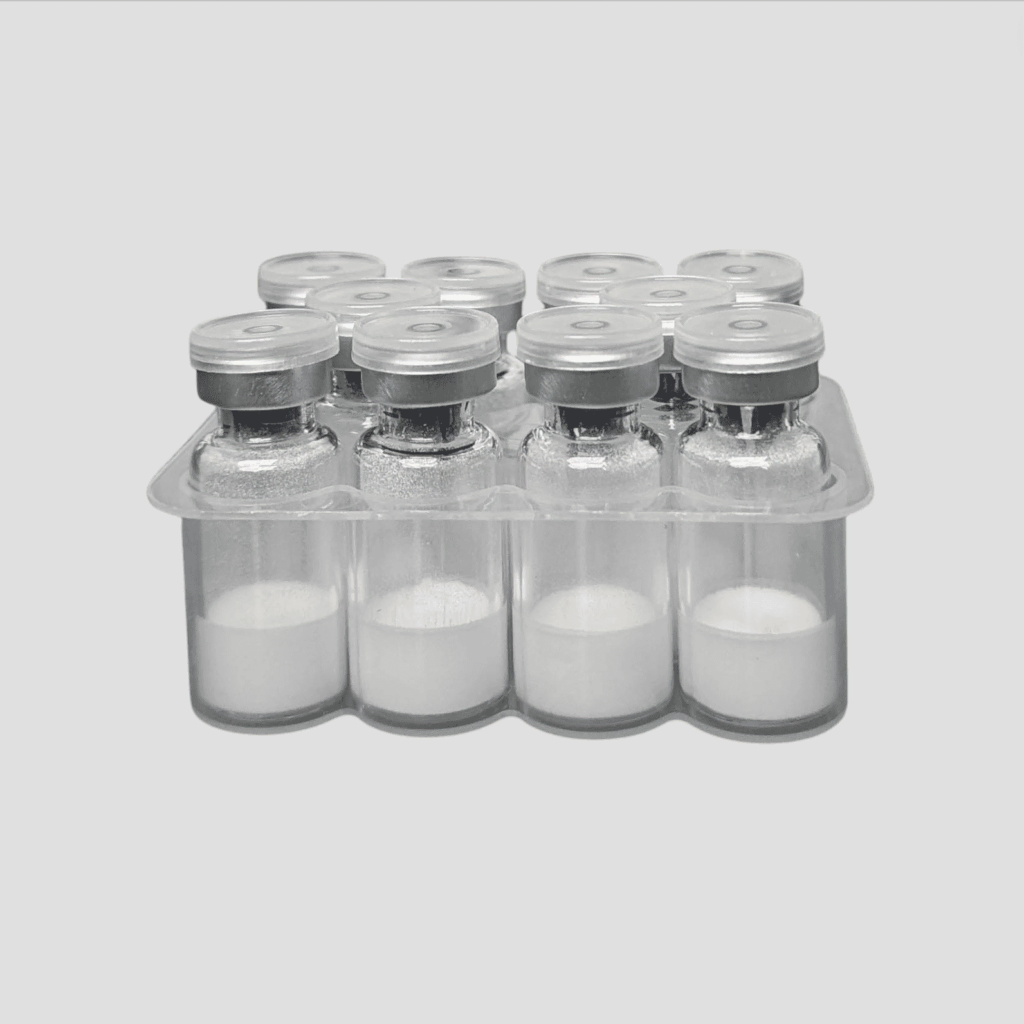

LL-37 5 mg – 10 Vial Box (50mg Total)


$330.00
Cost per vial $: 33.3
Buy LL-37 5 mg (one 10-vial box). All orders are shipped wholesale in unbranded packaging. Worldwide
New – mix & match any peptide: bulk discount now applies to total boxes!
| Quantity | Bulk Discount | Price |
|---|---|---|
| 2 | 8% | $306.4 |
| 3-5 | 12.5% | $291.4 |
| 6-10 | 17.5% | $274.7 |
| 11-20 | 20% | $266.4 |
1 in stock
LL-37 research peptide USA
LL-37 is a natural antimicrobial peptide produced by the human immune system to fight bacteria, viruses, and fungi. It works by disrupting the membranes of harmful microbes while promoting wound healing and modulating inflammation. Research shows it offers strong broad-spectrum protection and supports tissue repair in various studies.
Minimum order quantity: one box (10 vials x 5 mg).
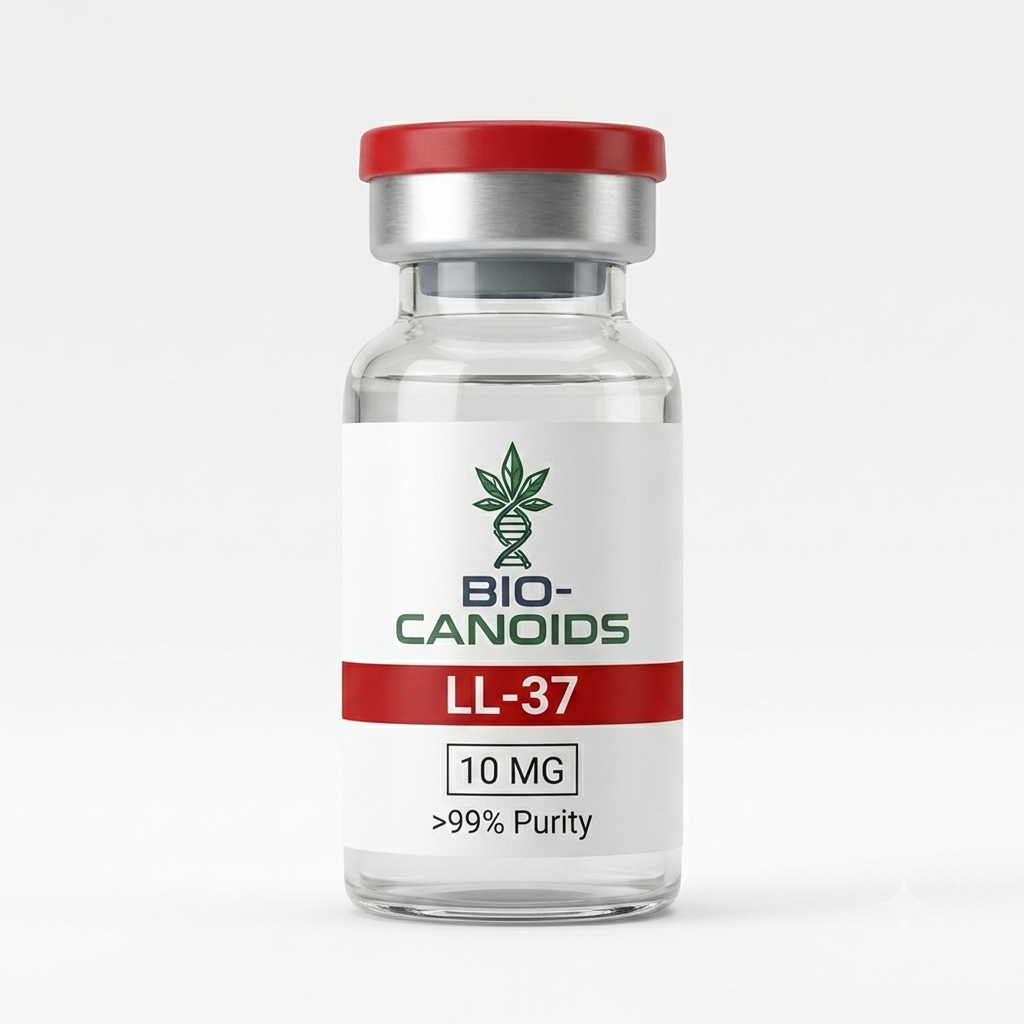
Note: Product images show branded labels for illustration purposes only. All peptides are shipped in wholesale, unbranded packaging. You can see an actual example photo of the peptide vials and container above.
LL-37 research peptide USA
Metabolic research compounds are studied for their interactions with cellular energy metabolism pathways. This category includes both peptide-based and non-peptide molecules examined for their interactions with metabolic signaling cascades, substrate utilization, and lipid regulation at the molecular level.
Examples include 5-Amino-1MQ, a small-molecule NNMT inhibitor investigated for its interactions with NAD⁺ metabolism pathways and adipocyte signaling, as well as peptides such as AOD-9604 and MOTS-c, which have been examined in the context of mitochondrial pathways and metabolic gene expression. These compounds are of interest in research examining energy substrate regulation, lipid oxidation mechanisms, and cellular metabolic function.
Mitochondrial Function Peptides LL-37 research peptide USA
Mitochondrial function peptides are studied for their interactions with mitochondrial structure and bioenergetic pathways. Compounds such as SS-31 and MOTS-c are examined for their interactions with electron transport chain activity, oxidative phosphorylation mechanisms, and reactive oxygen species (ROS) signaling at the cellular level.
LL-37 research peptide USA
Somatotropic Peptides
Somatotropic peptides, also referred to as growth hormone secretagogues (GHS), are compounds studied for their interactions with the hypothalamic-pituitary axis and endogenous growth hormone secretion pathways. These compounds are typically classified into two categories: GHRH analogues (Growth Hormone-Releasing Hormone analogues) and GHRPs (Growth Hormone-Releasing Peptides), which act on distinct receptor pathways involved in GH pulse amplitude and frequency regulation.
GLP-1 receptor agonists are compounds studied for their interactions with glucagon-like peptide-1 receptors and downstream metabolic signaling pathways. Newer-generation compounds in this category also demonstrate activity at additional receptor targets including glucagon and amylin receptors, while some operate through entirely distinct mechanistic pathways independent of GLP-1 receptor activation.
LL-37 research peptide USA
| Weight | 1 lbs |
|---|
Be the first to review “LL-37 5 mg – 10 Vial Box (50mg Total)”
Related products

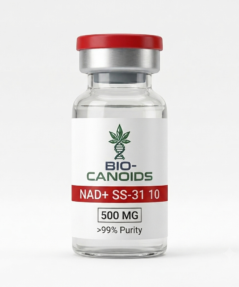


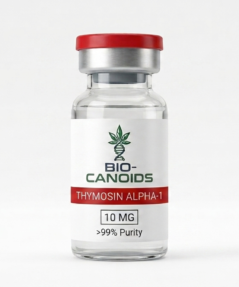


PEPTIDES PRODUCTS
Price range: $250.00 through $750.00
This product has multiple variants. The options may be chosen on the product page


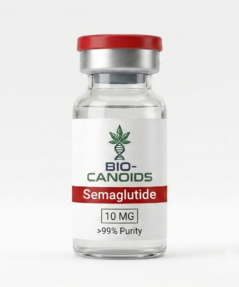
PEPTIDES PRODUCTS
Price range: $200.00 through $450.00
This product has multiple variants. The options may be chosen on the product page


Reviews
There are no reviews yet.