


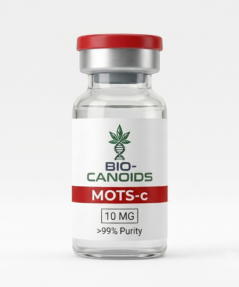

MOTS-c 10-40mg | 10 Vial Box



Price range: $150.00 through $500.00
Buy MOTS-c 10-40 mg (one 10-vial box). All orders are shipped wholesale in unbranded packaging. Worldwide
New – mix & match any peptide: bulk discount now applies to total boxes!
| Quantity | Bulk Discount | Price |
|---|---|---|
| 2 | 8% | $479.6 |
| 3-5 | 12.5% | $451.3 |
| 6-10 | 17.5% | $419.8 |
| 11-20 | 20% | $404.0 |
MOTS-c 40mg research peptide
MOTS-c 40mg research peptide is a mitochondria-derived peptide that has generated significant interest in the scientific community for its potential implications in mitochondrial biology and metabolic research. Encoded within the 12S rRNA region of the mitochondrial genome, MOTS-c is considered a key player in the intricate interplay between mitochondrial function and cellular metabolism. Its exploration has expanded particularly regarding how it interacts with various cellular pathways that govern bioenergetics and gene expression.
The research surrounding MOTS-c has shed light on its role in activating the AMPK pathway, which is critical for cellular energy homeostasis. AMP-activated protein kinase (AMPK) serves as a cellular energy sensor and is involved in regulating energy balance by responding to cellular energy status. Activation of AMPK has been linked to numerous metabolic benefits, including increased fatty acid oxidation, enhanced mitochondrial biogenesis, and improved insulin sensitivity. These pathways are vital for maintaining metabolic health and have implications in various metabolic disorders.
Furthermore, MOTS-c has been studied for its impact on fatty acid oxidation regulation, a crucial metabolic process that allows cells to derive energy from stored fats. The ability of MOTS-c to enhance fatty acid oxidation at the cellular level suggests its potential role in obesity management and metabolic syndrome, conditions characterized by impaired fatty acid metabolism. By promoting oxidative capacity, MOTS-c may contribute to improved weight management and overall metabolic health. MOTS-c 40mg research peptide
Additionally, researchers have explored the involvement of MOTS-c in the folate cycle metabolism. The folate cycle is essential for nucleotide synthesis and, consequently, for DNA replication and repair. Disruptions in this cycle can lead to a range of health issues, including cellular proliferation problems and metabolic disorders. A better understanding of how MOTS-c influences folate metabolism may provide insights into its therapeutic potential in conditions linked to folate deficiency or dysfunction. MOTS-c 40mg research peptide
The interaction of MOTS-c with mitochondrial membrane dynamics adds another layer of complexity to its functionality. Mitochondrial membranes play a critical role in energy production and the regulation of cellular metabolism. Investigating how MOTS-c influences these membranes could provide insights into its mechanisms of action and how it contributes to overall cellular health. This area of research holds promise for unveiling new strategies to enhance mitochondrial efficiency and protect against mitochondrial-related diseases. MOTS-c 40mg research peptide
Moreover, the effects of MOTS-c on metabolic gene expression networks have been a focal point of investigation. Understanding how this peptide modulates the expression of specific genes involved in metabolism could pave the way for targeted therapeutic interventions. The regulation of nuclear gene expression by mitochondrial signals like MOTS-c highlights the intricate communication that occurs between mitochondria and the nucleus, a relationship that has far-reaching implications for cellular function and health. MOTS-c 40mg research peptide
For those interested in acquiring MOTS-c, the minimum order quantity is one box, which contains 10 vials, each containing between 10 to 40 mg, amounting to a total of 100 to 400 mg. This bulk packaging is designed to meet the needs of research laboratories and institutions that require a consistent supply for their studies. MOTS-c 40mg research peptide
Overall, MOTS-c represents a fascinating area of research within the field of metabolic science. Its potential roles, ranging from energy regulation to gene expression modulation, make it a compelling candidate for further studies aimed at understanding mitochondrial biology and its implications for health and disease management. Researchers delving into the potential therapeutic uses of MOTS-c may uncover novel approaches to address metabolic disorders and enhance overall cellular function. The exploration of this peptide opens new avenues in the quest for improved metabolic health and the treatment of related diseases.
| Weight | 1 lbs |
|---|---|
| Quantity | 10 Grams, 20 Grams, 30 Grams, 40 Grsms |
Be the first to review “MOTS-c 10-40mg | 10 Vial Box”
Related products


PEPTIDES PRODUCTS


PEPTIDES PRODUCTS



PEPTIDES PRODUCTS
Reviews
There are no reviews yet.